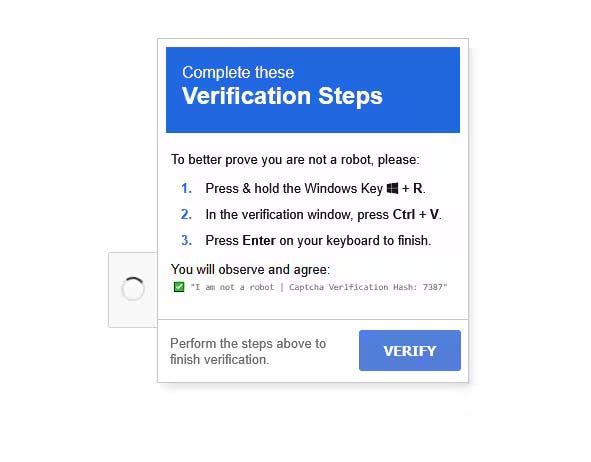
Tales from the Hacked The Fake ChatGPT Site That Wasn’t It started the way most people start their day: a quick Google search for “ChatGPT.” A P3C client clicked what looked like the right link — but it wasn’t. It was a hijacked ad, and...
 A real client incident, and what it teaches every business about the newest social-engineering trick in town. “Should we be worried about this?” That’s how this one started. Not with an alarm. Not with a ransom note. Just a quiet message from a...
 Article Summary: A QR code scam, sometimes called quishing, hides a malicious web link inside a QR code. Because the link is buried in an image instead of written as text, it slips past the email filters that normally catch bad links, and scanning the code usually...
Issue #1 | 7/31/2026 Happy Friday! Here’s what’s on deck this week: a quick tip you can use today, the latest cybersecurity news worth knowing, and a reminder on how to make the most of your P3C support. 💡 Tip of the week One Bot to Record Them All We’ve...
Article Summary: A QR code scam, sometimes called quishing, hides a malicious web link inside a QR code. Because the link is buried in an image instead of written as text, it slips past the email filters that normally catch bad links, and scanning the code usually...
Issue #1 | 7/31/2026 Happy Friday! Here’s what’s on deck this week: a quick tip you can use today, the latest cybersecurity news worth knowing, and a reminder on how to make the most of your P3C support. 💡 Tip of the week One Bot to Record Them All We’ve...
 You’re in a hurry. You go to type “associatedbank.com” into your browser, but your finger slips — you leave out a letter. The page loads anyway. It looks close enough. You don’t think twice. That one missing letter is all it takes. What...
The Email That Shouldn’t Have Fooled Anyone (But Almost Did) Last week, an email landed in a client inbox with the subject line: “Reminder: Complete with Docusign: Outstanding Remittance Advise & Inv. xslx.” At first glance, it checked every box...
You’re in a hurry. You go to type “associatedbank.com” into your browser, but your finger slips — you leave out a letter. The page loads anyway. It looks close enough. You don’t think twice. That one missing letter is all it takes. What...
The Email That Shouldn’t Have Fooled Anyone (But Almost Did) Last week, an email landed in a client inbox with the subject line: “Reminder: Complete with Docusign: Outstanding Remittance Advise & Inv. xslx.” At first glance, it checked every box...
